This tool has been in beta testing since 2021 and is a game changer to help businesses and individuals evaluate the environmental and human health impacts of foodware and packaging choices.
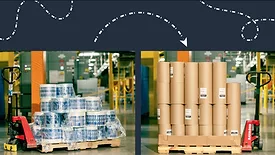
The expansion—set for late April 2025—will further replace use of corner boards, straps and clamps from the palletization process, eliminating approximately 85% of traditional palletizing materials, reducing waste by 2.2 kg (4 lbs.) per pallet.
In this insightful interview, Emily Wynne of Quantis explains the crucial role that top-notch data collection and data processing will play in companies’ efforts to comply with Extended Producer Responsibility (EPR) regulations.
As governments worldwide tighten regulations on materials, recyclability, and chemical safety, staying compliant has become a cornerstone of maintaining market access and brand reputation.
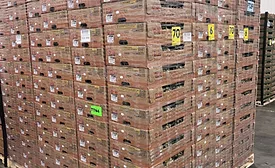
TekniPlex Consumer Products is particularly well known for its use of molded fiber in egg cartons. Packaging Strategies recently sat down with Eldon Schaffer, CEO of TekniPlex Consumer Products, to discuss the company’s role in the evolution of molded fiber packaging solutions.
Initiative is estimated to remove 660 tons of plastic and reduce 6,000 tons of carbon dioxide from the air, equivalent to eliminating over 37 million single-use plastic water bottles annually.
Alberta’s EPR framework, designed in collaboration with industry and community stakeholders, includes thousands of different single-use plastic packaging and paper products (PPP) and hazardous and special products (HSP) like batteries and pesticides.
 RSS
RSS