Flexible Packaging is back with its annual list of the Top 25 Converters in North America for the year 2020. These rankings are calculated using each company’s revenues for the year 2019.
With strong merger and acquisition activity, 2019 was another year of industry consolidation.
Over the past 10 years, the flexible packaging industry has grown from $26.6 billion to $31.8 billion with a cumulative annual growth rate of 2% per year, according to the FPA.
I just opened my new subscription box of Billie razors and found a surprise inside. Let me backtrack. Billie is a subscription-based, direct-to-consumer brand focused on providing women with quality shaving supplies and body care products.
Key safeguarding measures and functions such as light curtains, interlock devices and comprehensive safety training for operators must not be overlooked simply because an emergency stop is in place.
At first sight, specializing in the impossible doesn’t look like the best way to build a profitable long-term business. For Pennsylvania-based prepress house Imageworx, however, it’s a strategy that has proved highly successful for more than two decades.
Expansion is an essential part of any solid growth strategy. While it’s important to expand into new sales channels and scale your operations, you also need to expand your product lines to truly achieve sustainable growth.
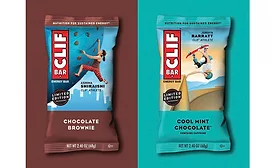
Whether you are a world champion or a weekend warrior, human-powered sport connects and inspires us, and Clif Bar, with its brand positioning, fuels us to keep going.
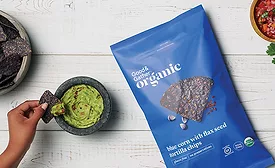
Since the start of the pandemic in the U.S., private-brand sales grew 29%, outpacing regular-branded product sales, which grew by 24%, according to the most recent data from Nielsen.
By and large, digitalization is not just the implementation of digital technologies into existing business architectures; it is about questioning existing business logics in the light of new possibilities offered by the latest digital technologies.
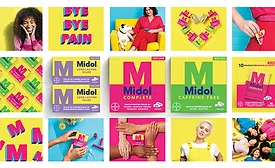
Since 1939 the packaging described the product as a cure for “periodic pain.” Although the name was familiar with young women, the brand lacked relevance with Gen Z and was losing market share due to the increase of new female-focused start-ups.