EPL says the merger marks a pivotal step in the company's evolution from a single-format flexible packaging leader to a scaled, multi-format packaging platform.
In a crowded CPG marketplace, selecting the right fitment is not just about functionality — it’s a strategic decision that shapes consumer perception, achieves regulatory adherence, and reflects sustainability efforts.
Choosing the right cap and spout is essential for making an impression and optimizing production. In a market focused on first impressions, safety, and sustainability, packaging is a crucial business decision, especially for rigid and flexible packaging.
The new Linx Black Ultra Strong Plastic-Adherent Ink 1061 provides consistent adhesion, particularly on PET and low surface energy substrates, including OPP, BOPP, HDPE, and LDPE.
Representing one of the most significant expansions of OQ’s polymer portfolio to date, the grades span polypropylene and polyethylene families—engineered to address evolving global megatrends and meet the future performance, sustainability and efficiency demands of converters worldwide.
Winpak notes that, with the exception of foil-based products, the company's entire product portfolio is presently exempt from tariffs under the United States-Mexico-Canada Agreement (USMCA). Similarly, nearly all raw materials sourced within North America are exempt from tariffs.
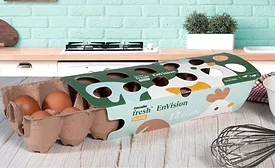
Both attractive and sturdy, this eco-designed packaging offers robust protection while opening impactful visual possibilities. Its sleeve openings and high-quality printing area break the mold of the traditional format.
Leading manufacturer and supplier of rigid plastic-molded packaging products seeks to use M&A as a strategic tool to drive inorganic growth – as a complement to continued organic growth – with the goal of doubling sales by 2030.
If you can make it through a self-checkout without hearing any of these dreaded sentences, congratulations, you have won a battle in the ongoing war of man versus machine.
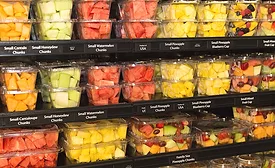
Produce sales reached $69.6 billion in 2020, an 11.4% increase according to “Power of Produce 2021,” a recent report from the Food Industry Association (FMI).