David Forrest of TransPak makes the case for multi-material packaging, saying that, if done right, it can increase product protection, cut costs, support sustainability goals, and improve customer satisfaction.
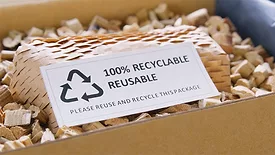
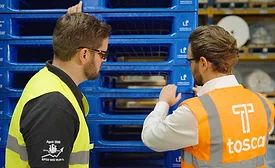
A multi-material approach to packaging provides key benefits for suppliers and customers by ensuring large, sensitive, and high-value goods arrive defect-free while controlling costs. By re-evaluating packaging processes and materials, suppliers can enhance customer value.
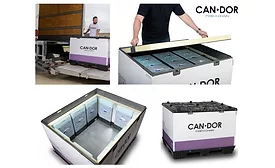
Discover how innovative packaging solutions transform the dangerous goods industry, enhancing efficiency, safety, and sustainability across the supply chain while addressing evolving market demands and regulatory changes.
Unlike conventional ice packs, which can cause uneven cooling with some areas becoming excessively cold while others remain warmer, Hydopac’s ice pack design ensures even temperature distribution, preserving the freshness and nutritional value of perishable products.
In this first in a series of stories looking at the outlook for packaging in 2024, Hydropac’s Stephen Fieldhouse outlines how temperature-controlled shipping will grow in efficiency and resiliency.
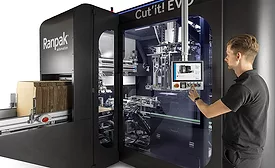
Ranpak, a leading provider of systems-based, product protection solutions for e-commerce and industrial supply chains, outlines in this article the many ways that automation can contribute to sustainability
Of the many benefits of automation, perhaps the one that usually first jumps to mind is labor reduction. While that definitely is one benefit, Ranpak’s Bryan Boatner (Managing Director, Automation) recently made the case to Packaging Strategies that automation can contribute to sustainability in multiple ways.
The company’s full B2B platform features a touchless inventory management solution that saves time and money while enforcing state-mandated regulatory guidelines.