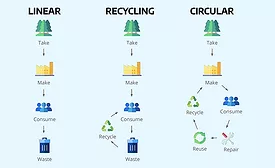
Findings show that paper, paperboard and fiberboard plant-based biodegradable flexible packaging, along with synthetic biodegradable packaging, are the most common materials being used to replace less sustainable alternatives like plastic, paper and foil packaging.
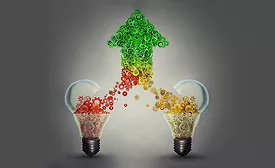
The revolution sparked by two megatrends—sustainability and digital—is unprecedented in the packaging industry. We highlight six priority moves for industry participants as they seek to build their resilience.
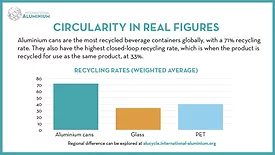
The data shows that today more than 70% of the material used in aluminum cans is recycled into new products – almost double that of glass (34%) and plastic (40%)
2020 was a year like no other. Yet despite the challenges brought on by the pandemic, most top food and beverage brands remained stable. In fact, the food and beverage industry is one of the only consumer product sectors to grow in the year.
Clairvest Group’s Doug Horn answers questions about the M&A landscape
April 12, 2021
When is the right time to consider a merger or acquisition? We caught up with Doug Horn, who leads the packaging investment practice at the Clairvest Group, to ask him about that and to get his thoughts about the market in general.
We published our 2020 Packaging Outlook at this time last year. And, well, the timing of that couldn’t have been worse. This thing that shall not be named really started affecting the world shortly thereafter.
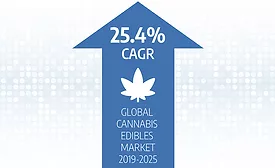
According to a report from Zion Market Research, the global cannabis edibles market was valued at approximately USD 2,376 million in 2018 and is expected to generate around USD 11,564 million by 2025, at a CAGR of around 25.4% between 2019 and 2025.
PreScouter, a Chicago-based research intelligence firm, has released a detailed report on reusable packaging solutions and the companies at the forefront of the trend toward encouraging the reuse of packaging materials.