The environmental problem of plastic pollution is a high concern among a surging eco-conscious global population who are striving to reduce plastic use. When used responsibly, plastic packaging plays a crucial role in mitigating an even more critical problem of food waste.
When CMD Corporation Director of Operations, Ron Buchinger learned that companies like CMD could contribute to a growing movement to produce important protective equipment to help those on the front line in the pandemic, he jumped on board.
In 2020, the goal of reducing supply chain inefficiencies has become especially true for the healthcare industry, as hospitals and healthcare systems work to reduce the billions of dollars spent on unnecessary supply chain operations every year.
As we adjust to life in lockdown due to the worldwide coronavirus pandemic, people are finding more time and motivation than ever before to clear out their cupboards and get creative with their findings. And, with restrictions on shopping habits set to essential items only, consumers are now coming to realize the worth of their old goods.
Five Dow sites are expected to produce more than 200 metric tons, equivalent to more than 880,000 8-oz. bottles of hand sanitizer, which will be
donated to local health systems and government agencies.
Consumers continue to seek out convenience that suits their fast-paced lifestyles. Consumer behavior could reverse, but it is unlikely. What's more likely is that things will only grow more intense and the demand for convenience will only grow more extreme. Fast-moving consumer goods and pharmaceutical products benefit from the cost-to-performance ratio advantage offered by rigid plastics manufacturing.
According to a recent survey of 250 brand owners across the consumer packaged goods spectrum by L.E.K. Consulting, 90% of brand owners say packaging is critical to their brand’s success — a way to adapt to industry pressures, including fast-changing consumer tastes and preferences.
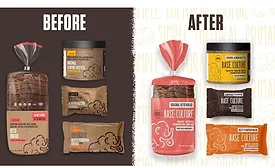
Base Culture is launching all-new, refreshed packaging this spring, but will also reduce the sugar in their popular Almond Butter Brownies and Cashew Butter Blondies by 40% to 15 grams.
Regardless of where companies currently stand on the sustainability spectrum, there is always room for growth — and certainly the demand to support it. As consumer awareness of sustainable brand practices grows, there are some considerations that companies must make to catch up or stay ahead of the curve.

 RSS
RSS