Measures undertaken to reduce operating expenses include narrowing the company’s PET cap format development initiatives in 2026 by deferring non-beverage cap format development to 2027.
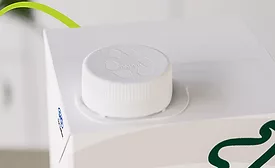
In its mission to create a fully regenerative food packaging system, SIG is steadily increasing the paper content of its aseptic cartons, to enhance renewability, and further reduce carbon footprints and the use of fossil-based materials.
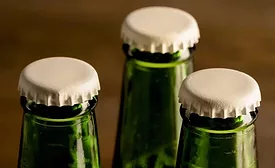
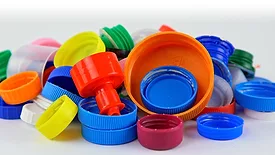
Caps, closures, and lids are vital in the packaging industry. Closures not only secure products throughout the supply chain but also maintain their quality. This ongoing demand drives constant innovation in packaging closures.
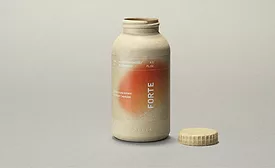
Following the mission of repacking the planet, Paboco consistently drives for solutions that improve on what has come before; creating lasting, impactful change that brings innovation into reality.
Babitha George, a representative from Tetra Pak, delves into the topic of driving progress toward a sustainable future by introducing innovative designs for straws and caps.
From child-resistant pharmaceutical vials that can be opened with one hand to wine capsules incorporating an unprecedented amount of recycled tin, there are many new things under the sun when it comes to caps and closures.
Packaging Strategies has extensively covered recent innovations in caps and closures, each distinctly unique in materials, applications, and specific benefits.
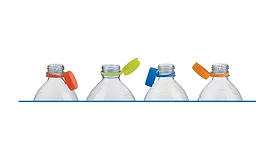
Today the humble bottle cap carries a lot of environmental responsibility, from helping consumers reduce food waste to meeting EU directives coming down the pike.
UNITED CAPS and TriMas Packaging are just two companies demonstrating the important role of caps and closures when it comes to curbing food waste and preventing the unintended environmental impact of discarded caps.
All of the company’s European plants are now operating with 100% renewable energy, helping customers meet the requirements of today without compromising the future.