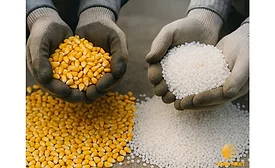
This initial funding marks a significant step forward in Corn Next’s mission to replace harmful single-use plastics with its proprietary, fully biodegradable material, Corn Next-17.
Kraft Heinz aims to collaborate with the winner to bring their solution to life, identifying viable solutions that will advance the Kraft Heinz packaging portfolio.
The use of renewable or bio-materials is one of many options to enhance the sustainability of packaging solutions and is complementary to source reduction, end-of-life strategies including recycling and composting, and the inclusion of recycled content.
BioEPS packaging uses a bio-based additive that allows the material to break down in a bioreactive landfill by an average of 92 percent over 4 years without leaving behind microplastics.
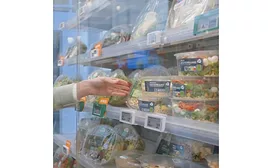
Avantium’s PEF (polyethylene furanoate) is a 100% plant-based, fully recyclable polymer and offers a renewable and circular packaging solution for Royal Vezet’s salad bowls.
Verde’s biobased, biodegradable and recyclable PolyEarthylene resins – already being sold to global brands and large plastics converters – could potentially be incorporated into Nxu’s EV charging systems.
Partnering with WMG, University of Warwick, Sustainable Packaging Technologies will lead efforts to commercialize FlexSea’s seaweed biopolymer material.
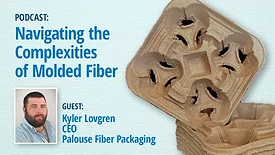
In this interview, Palouse Fiber Packaging CEO Kyler Lovgren explains how molded fiber could help businesses remain compliant as a patchwork of state-level packaging regulations crop up.