Steady, stable, sustainable and innovative. These four words describe the paperboard packaging market today and, we forecast, for many years to come. As part of the Paperboard Packaging Council’s (PPC’s) industry data offering, we keep a pulse on economic trends that will affect the folding carton market. Following are just a few of the developments to expect in 2020.
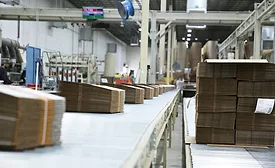
The manufacturers of corrugated cardboard boxes are working to keep transport packaging flowing to makers of essential products including packaging for food and other consumer products, medical and pharmaceutical products, tissue and hygiene products and more amid the COVID-19 pandemic.
It seems that the U.S-China trade war is slowing. According to National Public Radio, the president agreed to relax some of the tariffs he imposed on Chinese imports. In exchange, Beijing has agreed to buy more American products and make other changes.
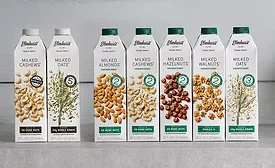
Elimination diets, increasing scrutiny over the dairy industry and environmental concerns have all contributed to a monumental shift away from dairy. While some dairies have folded under the change in consumer demand, Henry Schwartz made the bold decision to close the doors to his family's 95-year-old dairy and shift to completely plant-based alternatives.
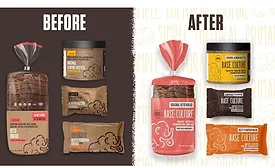
Base Culture is launching all-new, refreshed packaging this spring, but will also reduce the sugar in their popular Almond Butter Brownies and Cashew Butter Blondies by 40% to 15 grams.
The craze for a "subscription for everything" may make you think just having a great subscription box idea is the winning recipe, but there's a lot more to it. Consumers aren't just interested in a box's products but aspects like its delivery cycle, quality assembly and optimal return policy. Here are four mistakes you should avoid when starting a subscription box service.
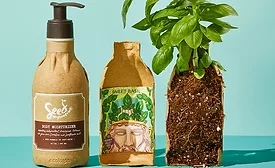
Regardless of where companies currently stand on the sustainability spectrum, there is always room for growth — and certainly the demand to support it. As consumer awareness of sustainable brand practices grows, there are some considerations that companies must make to catch up or stay ahead of the curve.
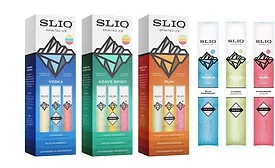
Adult Fla-Vor-Ice and Otter Pops fans will rejoice this summer as The Jel Sert Company announced the launch of SLIQ Spirited Ice, a new premium alcoholic freezer bar that could revolutionize mixology on ice.
The NextGen Cup Consortium, an effort driven by McDonald's and Starbucks, is debuting reusable cup pilot programs at independent coffee shops around San Francisco and Palo Alto, California. The consortium is managed by Closed Loop Partners' Center for the Circular Economy.
 RSS
RSS