
7 packaging types to consider
Consider these options for your next project.
Last updated on 10/26/2023
Remember the feeling when you picked up your first iPhone? Taking off the plastic seal and feeling the sleek white box? By touching the box for the very first time you already felt the importance, quality & significance of this device. This is no coincidence! Apple meticulously strategized how they were going to package their product to align with their branding of providing top of the line product innovation & consumer experience!
It is clear that packaging plays a large role in the perceived value of a product and as a whole, the packaging industry really hasn’t changed too much in the past years, compared to the constant innovations made in portable technology. With all the packaging and box choices available in today’s market, it often becomes difficult to select the most appropriate packaging solution for your product. Let’s take a look at some of the different types of packaging options you can use to enhance your product & customer experience!
1. Paperboard boxes
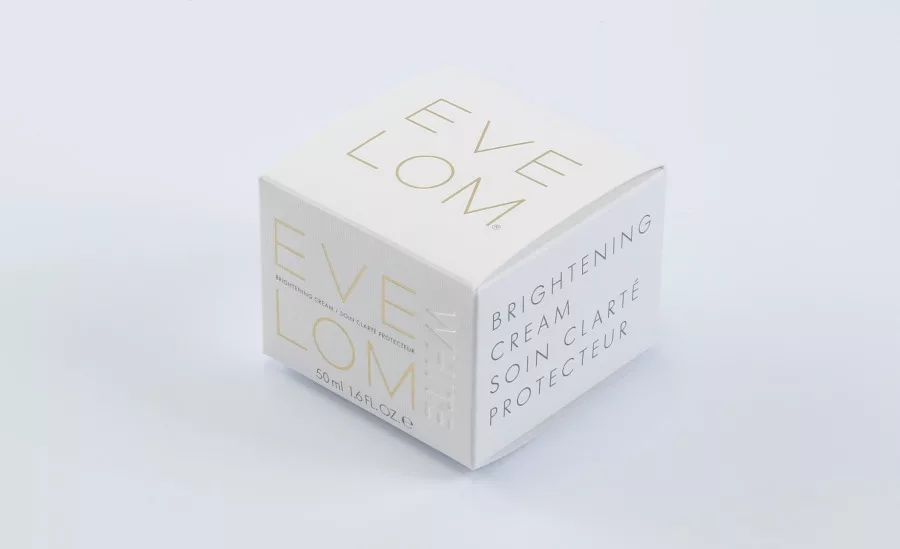
Paperboard is a paper-based material that is lightweight, yet strong. It can be easily cut and manipulated to create custom shapes and structures. These characteristics make it ideal to be used in personalized packaging. It is made by turning fibrous materials that come from wood or from recycled waste paper into pulp, and then bleaching it. Paperboard packaging comes in various grades, each suitable for different packaging requirements.
SBS (or solid bleached sulfate) paperboard can be used for packing cosmetics, medicines, milk and juice, cosmetics, frozen food and more. Choosing kraft, or CUK (coated unbleached kraft) paperboard packaging are for those who prefer the natural and environmentally-friendly look of recycled paper, which can be used for similar packaging applications. Kraft is often seen to be less resistant to moisture, making it less suitable for food-related products, or frozen-goods packaging. With the right combination of design options, paperboard packaging can look high-end, without high-end pricing.
2. Corrugated boxes
Corrugated boxes simply refer to what is commonly known as: Cardboard. Corrugated boxes are the ones many probably consider as ‘cardboard’ as it produces the large shipping, shoe & storage boxes. What a lot of people do not realize is that corrugated boxes also come in different types depending on the durability and strength of the box. Identifying a certain corrugated material, however, is easy. How do you determine the material? Through its corrugated medium (also known as fluting). It consists of 3 layers of paper, an outside liner, an inside liner and a corrugated medium (also known as fluting). The corrugated medium that gives it strength and rigidity.
The main raw material that is used to construct the corrugated board is most recycled paper, made on large high-precision machinery known as corrugators. These type of boards can be reused and recycled again and again as a source of pulp fiber. Corrugated boards are of different types, single faced, double faced (single wall), twin wall, and triple wall. They can be used to make packaging with different characteristics, performances, and strength. The board is cut and folded into different sizes and shapes to become corrugated packaging. Other applications of corrugated board packaging include retail packaging, pizza delivery boxes, small consumer goods packages, and so forth.
3. Plastic boxes
Plastic is used in a wide range of products, from spaceships to paper clips. A number of traditional materials, such as wood, leather, glass, ceramic, and so on, have already been replaced by plastic.
Plastic box packaging has many advantages in which they can be recycled, and generally they are much more durable than paperboard boxes. Airtight plastic packaging containers can help to preserve the quality of food and eliminate any contamination issues. Plastic packaging also does not break easily and can be stored with food under extreme conditions.
Another reason why plastic is a popular choice for packing material is because of its ability to showcase the product at any angle without necessarily opening the packaging. It is also flexible, lightweight and can be applied with films or coating to enhance packaging appearance.
4. Rigid boxes
I’m sure you’ve always wondered the type of box they used to package iPhones or those luxury retail products such as Rolex, Tiffany & Co and Marc Jacobs. You have a sense that it’s a type of cardboard but still wasn’t sure because of its durable and premium appearance. This type of cardboard material is called a rigid box.
A rigid box is made out of highly condensed paperboard that is 4 times thicker than the paperboard used in the construction of a standard folding carton. The easiest real-world example of rigid boxes are the boxes that hold Apple’s iPhones and iPads, which are 2 piece setup rigid boxes.
Compared to paperboard and corrugated boxes, rigid boxes are definitely among the most expensive box styles. The rigid boxes usually do not require dies that are expensive or massive machinery and are often hand-made. Their non-collapsible nature also gives them a higher volume during shipping, which easily incurs higher shipping fees.
These boxes are commonly used in merchandising cosmetics, jewelry, technology, and high-end luxury couture. It is easy to incorporate features such as platforms, windows, lids, hinges, compartments, domes, and embossing in a rigid box.
5. Chipboard packaging
Chipboard packaging is used in industries such as electronic, medical, food, cosmetic, and beverage. A chipboard basically is a type of paperboard that is made out of reclaimed paper stock. It can be easily cut, folded, and formed. It is a cost-effective packing option for your products.
It comes in various densities and strength is determined by how high the density of the material is. If you want images to be directly printed onto the chipboard, you can treat the chipboard with bleach sulfate, and with CCNB (Clay Coated News Back) which makes the material even more durable.
You cannot use chipboard packaging if your business deals with heavy items, since the chipboard sheet is a lightweight material, made for many grocery items such as cereal, crackers, tissue boxes, and so forth. Also, if the storage environment is heavy with moisture, chipboard can easily weaken, and result in discoloration and expansion.
6. Poly bags
A poly bag, also known as a pouch or a plastic bag, is manufactured out of flexible, thin, plastic film fabric. It is one of the common types of packaging and can carry a wide range of products including food items, flowers, waste, chemicals, magazines, and so on.
Poly bags are durable yet lightweight, reusable and flexible. Since poly bags are structurally simple to make, it can be fully customized in design, style & sizes but still remain cost-effective. Plastic recycling is also possible with poly bags, depending on the construction. Most of the poly bags are made with security features, tape attachments, hanging holes, and carrying handles to make sure the products are well secured and visually appealing to the customer.
7. Foil sealed bags
Foil sealed bags can be seen typically in most coffee and tea packaging. Why? It keeps the products dense to maintain the flavor, protects it from bacteria coming in and helps increase shelf life. Apart from food, foil sealed bags are also used to package bedding and clothing products. The process involves removing the oxygen from the bag to keep the fabric tight and secure in order to prevent the growth of fungi and other bacteria. Nuts, cereals, smoked fish, cheese and cured meats are also packaged with foil sealed bags to prevent from spoilage.
For more, go to: pakfactory.com