
Packaging Strategies logo
search
cart
facebook twitter linkedin youtube
  • Sign In
  • Create Account
  • Sign Out
  • My Account
Packaging Strategies logo
  • FEATURED
    • Brand Packaging
    • Extended Producer Responsibility
    • New Products & Materials
      • Featured Products
    • Packaging News
    • Packaging Perspectives Podcasts
    • Steve Fairfield Innovation Award
    • Supply Side
    • Top 100 Food & Beverage Packaging Companies
      • Submit Your Company
  • FLEXIBLE PACKAGING
  • VERTICAL MARKETS
    • Beer / Wine / Spirits Packaging
    • Beverage Packaging
    • Candy / Confectionery
    • Dairy Food Packaging
    • FoodService Packaging
    • Household Packaging
    • Meat / Seafood Packaging
    • Personal Care Packaging
    • Pet Food Packaging
    • Pharma / Medical Packaging
    • Produce Packaging
    • Snack Food Packaging
  • MATERIALS
    • Adhesives / Sealants
    • Beverage Multipacks
    • Blister Packaging
    • Cans & Bottles
    • Closures/Lids
    • Films & Coatings
    • Labels
    • Material Converting
    • Paperboard / Corrugated / Cartons
    • Rigid Containers
    • Sustainable Packaging
  • MACHINERY
    • Automation / Controls
    • Case Forming / Packing / Sealing
    • Cartoning
    • Coding / Marking / Printing
    • Conveyors
    • Form-Fill-Seal / Filling & Closing
    • Inspection / Detection / Vision
    • Labeling
    • Unitizing / Palletizing
    • Robotics
    • Track & Trace / Serialization
  • DIRECTORIES
    • Packaging Strategies Resource Guide
    • Flexible Packaging Buyer's Guide
  • EVENTS
    • Converters Expo
    • Converters Expo South
    • Global Pouch Forum
    • Industry Events
    • Webinars
  • MORE
    • Videos
    • Book Store
    • Classifieds
    • Custom Content & Marketing Services
    • eXTRA Newsletter
    • Market Research
    • PACKSTRAT Wordplay
    • PS Resource Guide
    • Sponsor Insights
  • EMAG
    • eMagazines
    • Archived Issues
    • Contact Us
    • Advertise
  • SIGN UP!
Brand Packaging

Examining Supply Challenges Through Private Brands
By Jonathan Finch
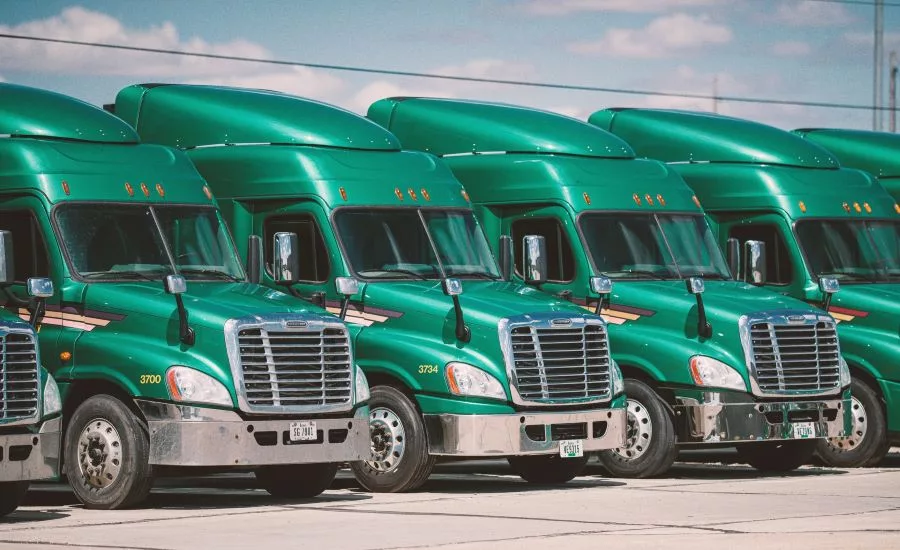
brian-stalter-arotxe540N4-unsplash_900x550.jpg
Photo by Brian Stalter on Unsplash
November 9, 2021

Today’s obstacles within the global supply chain are wreaking havoc amongst manufacturers, retailers, and consumers alike. The interdependency of all aspects of today's supply chain, combined with a focus on “just-in-time” policies are at the epicenter of today’s global supply chain challenges. As the world has seemingly gotten smaller, and goods are shipped around the world, it is only natural that the intermingling of the supply chain across the globe, and products would occur. Just-in-time policies have also allowed companies to reduce costs and benefit end consumers with lower retail prices. However, throughout the pandemic, cracks in the global supply chain have been made, and this has most significantly impacted Private brand manufacturers due to the complex nature of their business. With rising inflation and thinning wallets, Private brand manufacturers and their retail partners need to plan together to mitigate these challenges to continue to provide quality offerings that allow consumers to stretch their dollars further.

Interdependency

Today’s supply chain is a vast array of networks, all needing to work in unison to create the result: timely delivery of finished goods to their end consumer. If you think of any finished product that is produced by a manufacturer for delivery to a retailer, they all share many commonalities. In general, they require multiple ingredients/chemicals to make the product, proper packaging including bottles, caps, and labels, a box or wrap of some kind to protect the product in transport, a pallet to be stacked on to ease the loading and unloading process, and trucks, boats, or planes to transport the product.  In all cases, they also require people; the labor to run machines, load/unload trucks, and drivers to deliver product.  As you expand the supply chain, each of those commonalities shares their individual supply chain as well which depends on many of the same factors.     

Private brand manufacturers are particularly vulnerable to cracks in the supply chain. They are vulnerable because, unlike most national brand producers, Private brand manufacturers produce a variety of products for a variety of retailers. In some cases, each product is customized in formulation, packaging form, and product design specific to the individual retailer. Conversely, national brands produce one formulation for all retailers, a much less complex and simplified supply chain. The complex makeup of private brand manufacturers' portfolios creates impacts that are felt both earlier, and often to a greater extent when the supply chain is impacted.

Just-Not-In-Time

For years, manufacturers to remain lean organizationally and limit inventory carrying costs, have dedicated themselves to proper forecasting of raw goods and production to create a perfect state where raw goods come in, they are immediately produced and loaded onto transport, and are sent to their end destination. Private brand manufacturers are no different as they have sought this ideal state.  But as we have seen, due to their reliance on a multitude of different formulations, raw goods manufacturers, and packaging forms, their ability to avoid disruptions in the supply chain was seriously impacted. “Just-in-time” has become “just-not-in-time”, quickly impacting Private brand manufacturers, and these challenges persisting today.

Many Hands Make Light Work

The interdependency of our supply chain and pushing the envelope with just-in-time mechanics have played a key role in the current supply chain crisis. However, the critical factor right now globally is not looking backward, but looking forwards to the primary bottlenecks affecting our supply chain and how to overcome them. At the present point in time, labor appears to be the Achilles heel affecting manufacturers’ ability to produce as well as deliver product to retailers.

Job opening rates in manufacturing, trade and transportation remain among the highest among all industries.  With separations continuing to rise within these industries, it is unlikely that those rates will drop in the short term. This signals a shortage in the labor force in the critical segments that are involved in ensuring that products can be produced and delivered to retailers for the public to consume.  This includes everything from the packaging manufacturer, to the box maker, to the manufacturer of the finished goods. Here again, creates a challenge for many private brand manufacturers.  Many are single operation, small to medium-sized, privately-held companies. They do not possess the buying power or the size of the much larger corporations that they compete with. In a tight labor environment with rising costs and shortages of raw materials, they are at a disadvantage. As such, we see fewer employees in manufacturing positions, fewer drivers on the road, and the potential for empty shelves at our stores.

Look to the Future

The cure for the current global supply challenge is not likely to happen overnight. Expanded hours at ports, increased fines for idle shipments, pay raises and bonuses are all being implemented to curb the crippling backlog in the supply chain. There are signs of improvement, with on-time rates for shipping improving, and orders for trucks being booked.

As the world continues to weather this crisis, retailers and manufacturers must collaborate to ensure that the supply chain continues to improve. Whether it is through extended lead times, better forecasting, elevated primary stock levels, or other measures, supply chain impacts can be reduced or mitigated. Those that partner closely together will be the first to improve and likely reap rewards of increased sales and productivity over the coming months.  


Learn more about building private brands at Daymon.

KEYWORDS: ecommerce ecommerce fulfillment ecommerce shipping private brands private label private label brands supply chain supply chain efforts supply chain management supply chain solutions

Share This Story

Looking for a reprint of this article?
From high-res PDFs to custom plaques, order your copy today!

Jonathan finch headshot 250px

Jonathan Finch is Senior Director of Client Services at Daymon.

Recommended Content

JOIN TODAY
to unlock your recommendations.

Already have an account? Sign In

  • Golden award trophy in the shape of a star. Text: 2026 Top 100 Food and Beverage Companies

    Top 100 Food and Beverage Packaging Companies of 2026

    Celebrating 30 years as a B2B journalist, I’ve revisited...
    Materials
    By: Brad Addington
  • Women In Packaging 2025 homepage hero

    Women in Packaging: Seizing Opportunities, Pushing Boundaries

    Seven women share their personal journeys in the...
    Material Converting
    By: Brad Addington
  • Image of the Spyder Pick and Place Joint Robot sorting pre-rolls.

    Cannabis Packaging Goes High-Tech

    Packaging Strategies doesn't often cover cannabis...
    Machinery
    By: Brad Addington
Subscription Center
  • eMagazine Subscription
  • Manage My Preferences
  • Newsletters
  • Subscription Customer Service
  • Online Registration

More Videos

Sponsored Content

Sponsored Content is a special paid section where industry companies provide high quality, objective, non-commercial content around topics of interest to the Packaging Strategies audience. All Sponsored Content is supplied by the advertising company and any opinions expressed in this article are those of the author and not necessarily reflect the views of Packaging Strategies or its parent company, BNP Media. Interested in participating in our Sponsored Content section? Contact your local rep!

close
  • Hand Holding Various Semaglutide and Insulin Injection Pens for different stages of the treatment.
    Sponsored byInline Plastics

    How GLP-1 Is Reshaping Food Packaging, and Why It Matters More Than You Think

  • A stack of clear plastic containers, the bottom full of mixed fruit
    Sponsored byInline Plastics

    Packaging Trends Shaping 2026: Where Trust Is Won

Popular Stories

FPA President and CEO Dan Felton moderates a panel discussion at Global Pouch Forum with Rebecca Mick (Association of Plastic Recyclers), Adam S. Peer (American Chemistry Council) and Gregory Melkonian (Serlin Haley).

Key Takeaways from Global Pouch Forum

Machine packing six plastic bottles with milk.

Secondary Packaging for Dairy: Trends and Innovations

Image of plastic and carton packaging surrounding a recycle symbol.

New York Legislature Adjourns without Passing Packaging EPR Bill

See the Top 100 Food and Beverage Packaging Companies of 2026

Products

Advances in Sustainable Food Packaging Technology

Advances in Sustainable Food Packaging Technology

See More Products

Packaging Perspectives Podcast

Play Packaging Strategies' captivating WordPlay game, PackStrat! There's a new word every Tuesday.

Related Articles

  • Perfecting Private Brands

    Podcast | Perfecting Private Brands

    See More
  • aerial-view-container-cargo-ship-sea.jpg

    The Supply Chain in 2022

    See More
  • Novolex Senior Director Earns First 'Women in Supply Chain Award'

    Novolex Senior Director Earns First 'Women in Supply Chain' Award

    See More
×

Keep the info flowing with our Newsletters!

Get the latest industry updates tailored your way.

JOIN TODAY!
  • RESOURCES
    • Advertise
    • Contact Us
    • Directories
    • Store
    • Want More
  • SIGN UP TODAY
    • Create Account
    • eMagazine
    • Newsletter
    • Customer Service
    • Manage Preferences
  • SERVICES
    • Marketing Services
    • Reprints
    • Market Research
    • List Rental
    • Survey/Respondent Access
  • STAY CONNECTED
    • LinkedIn
    • Facebook
    • YouTube
    • X (Twitter)
  • PRIVACY
    • PRIVACY POLICY
    • TERMS & CONDITIONS
    • DO NOT SELL MY PERSONAL INFORMATION
    • PRIVACY REQUEST
    • ACCESSIBILITY

Copyright ©2026. All Rights Reserved BNP Media, Inc. and BNP Media II, LLC.

Design, CMS, Hosting & Web Development :: ePublishing