Even as the COVID-19 pandemic has caused a short-term upswing in demand for single-use plastic packaging, the longer-term trend is toward sustainability. And so, with an eye toward the future, more and more manufacturers are striving to increase the use of bio-based plastic materials as a sustainable solution for many product packaging applications.
The plant-based food trend has been building for a few years. In 2020, its appeal broadened to a larger audience, reflecting consumers’ amplified health concerns. Recognizing this movement, grocers and CPGs are introducing programs to capitalize on the market potential. Those efforts will expand as consumers continue looking for ways to incorporate more plant-based foods in their diets.
Vericool, the inventors of the world’s first recyclable/biodegradable cooler, has developed a worldwide sustainable thermal solution for shipping COVID-19 vaccines that is both recyclable and compostable.
After ToBeNaturAL, the aluminium tube with a cap made of compostable material, Favia expands its offer by giving customers the possibility to adopt a recycled plastic cap.
The term “recyclable” has long been a buzzword in the food packaging industry. But now consumers and other stakeholders are demanding more than the iconic three-arrow triangle stamped on their hamburger box.
Made from all natural elements, including U.S.-grown industrial hemp, the new Hemptensils™ is the first in-kind brand of plant-based disposable utensils that won't harm the environment.
Sustainability impacts the conversation around packaging as consumers become progressively more aware of the impact brands have on the environment. Sustainability is especially important among younger consumers.
Regardless of where companies currently stand on the sustainability spectrum, there is always room for growth — and certainly the demand to support it. As consumer awareness of sustainable brand practices grows, there are some considerations that companies must make to catch up or stay ahead of the curve.
In January, U.S. plastic bag manufacturers and recyclers signed a sustainability commitment for the industry and renamed its coalition the American Recyclable Plastic Bag Alliance (ARPBA). The agreement by ARPBA members includes a target that 95% of plastic retail bags be reused or recycled by 2025.
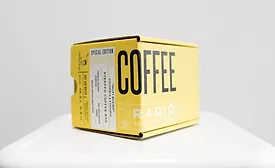
Radio Roasters' new single-use Steeped Coffee Bags reinvents the way imbibers brew and drink specialty coffee, with guilt-free, biodegradable packaging that is fully recyclable and environmentally responsible.