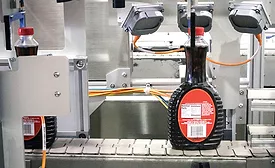
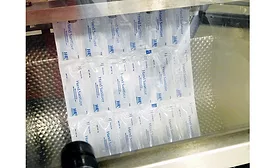
A popular bottled syrup company recently partnered with EPIC Systems to launch newly designed bottles and labels for the its evolving breakfast food portfolio. This partnership resulted in a robust packaging inspection system that helped the syrup company bring new products to market quickly, without exposing the brand to undue risks.
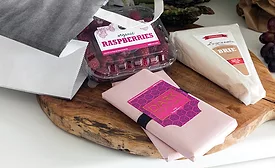
We look at the total package, including the label, to identify problems with consumer engagement. Recyclability and sustainability paired with a nice design at low cost are just a few benefits brands and converters look for. Below, we find a few recent label offerings that just might fit the bill for the future of labels.
Automating packaging processes can improve productivity, quality and safety on site. Unsurprisingly then, it has become a crucial investment for packaging facilities. But where do you start? Here are some key considerations when choosing robotics and automation for packaging applications.
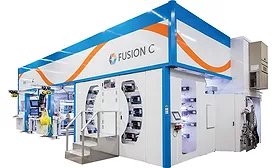
The packaging industry, like much of the world around us, is making strides to become more sustainable and environmentally friendly. The flexographic printing market is not exempt from these trends, and as printers begin to feel pressure from customers to become more sustainable, it is important to consider how and where to implement these changes.
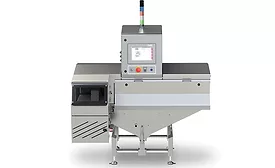
As COVID-19 reshapes the international manufacturing landscape, food and beverage companies are looking at ways to optimize their production efficiencies.
Food processing and packaging operations have always needed to respond with agility and efficiency to ever-changing consumer tastes and habits. That means a constant drive to bring new or modified products to market faster while maintaining productivity and profit margins.
The OpX Leadership Network has released best practices and leadership guidelines for executing virtual factory acceptance tests (vFATs), to address the changing operational landscape brought on by COVID-19.
The debate between cloud and edge computing strategies remains a point of contention for many controls engineers in the packaging industry. Using advanced analytics algorithms, companies can sift through this mass of information, or Big Data, to identify areas for improvement.
With shared missions of furthering the awareness and use of the contract packaging and contract manufacturing (CP/CM) industry in their respective regions, this collaboration presents expanded opportunities to the members of each organization on a global scale.
 RSS
RSS